
Organized Safety for Student Travel
Youth Tour Groups Security in Woodbridge for educational trips and religious youth programs requiring professional supervision throughout travel schedules
Large youth groups face elevated safety risks when traveling to unfamiliar locations where chaperones cannot maintain constant visual contact with dozens of students simultaneously. Religious organizations, school programs, and educational tour coordinators need professional security support when groups exceed chaperone ratios, when itineraries include crowded public venues where individuals could separate from the group, or when overnight accommodations place students in hotels with public access that staff cannot monitor continuously. Guards assist with crowd monitoring at attractions, transportation oversight during bus loading and hotel check-ins, and emergency preparedness that ensures immediate adult response if medical incidents or behavioral situations occur.
KGC Security Guard provides personnel who coordinate with tour organizers to establish group management protocols before travel begins. Guards position themselves strategically during museum visits, theme park outings, and public event attendance to observe group perimeters and quickly identify students who wander from designated areas. Hotel oversight includes monitoring hallway activity during overnight stays, ensuring that students remain in assigned rooms during curfew hours, and responding to situations that exceed chaperone authority or training.
Arrange a planning meeting to discuss security coordination for your upcoming group travel.
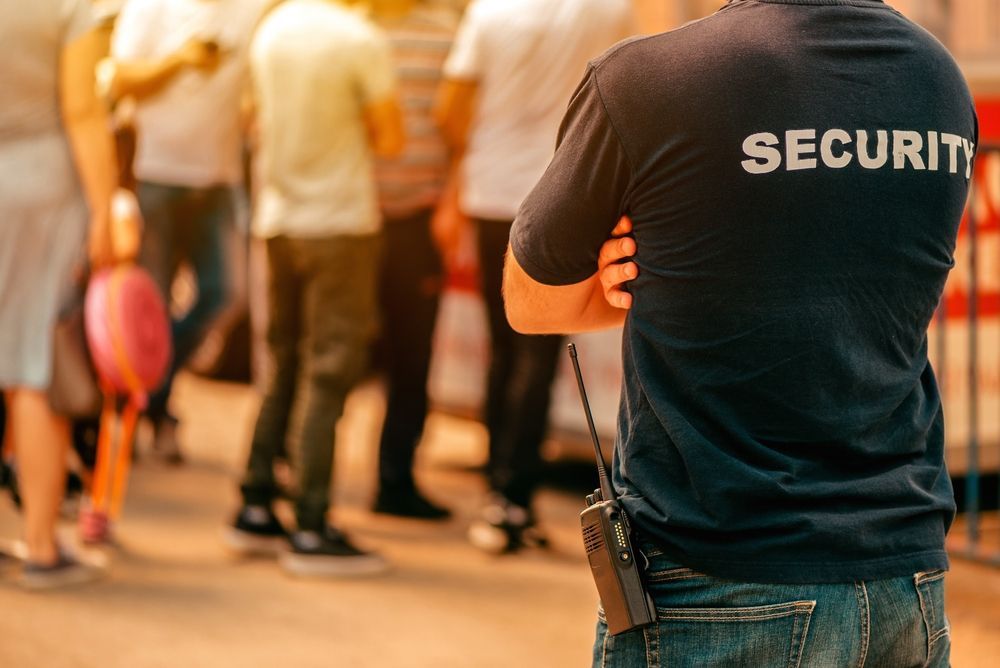
What Changes After Professional Security Joins Tour Planning
Guards receive detailed itineraries showing arrival times, venue addresses, scheduled activities, and emergency contact information for every tour location. Group coordination assistance involves conducting headcounts at each transition point, communicating with venue security staff about group size and supervision needs, and establishing designated meeting points where separated students can locate chaperones. Emergency preparedness includes carrying first aid supplies, knowing locations of nearby urgent care facilities, and maintaining direct communication with tour coordinators who hold parent contact information and medical consent forms.
Tour organizers notice smoother transitions between activities, faster resolution when students violate behavioral expectations, and reduced anxiety about managing large groups in unfamiliar environments where local knowledge is limited. Chaperones focus on educational engagement and relationship building with students rather than constant security monitoring, trusting that trained professionals handle perimeter observation and crowd management. Parents receive fewer emergency calls about separated students or behavioral incidents, as guards intervene early when problems develop and coordinate with local authorities when situations require law enforcement response that volunteer chaperones aren't equipped to initiate.
Coverage adjusts based on group size, destination complexity, and whether tours involve single-day outings or multi-day travel requiring overnight hotel monitoring. Guards communicate via radio or mobile devices to maintain contact when groups split into smaller units for workshops, meals, or age-specific activities that separate younger and older students throughout the itinerary.
What Coordinators Usually Ask
Youth tour organizers work with security providers to address supervision challenges during group travel. These questions reflect planning considerations for educational trips and religious youth programs.
How many guards do groups typically need based on student count and itinerary?
General ratios start at one guard per fifty students for contained venue visits, increasing to one per thirty for crowded public attractions or overnight hotel monitoring, with adjustments based on student age, behavioral history, and venue layouts that create separation opportunities or multiple exit points requiring simultaneous monitoring.
What happens if students violate behavioral rules during supervised activities?
Guards immediately notify tour coordinators about violations, physically intervene if student safety is threatened, and document incidents with written reports that organizers share with parents and school administrators, but defer disciplinary decisions to program leaders who hold authority over student consequences and parent communication.
How does hotel overnight security work for groups occupying multiple floors?
Guards conduct hallway patrols on floors where students are housed, respond to noise complaints from other hotel guests, ensure that students don't leave rooms after curfew or allow unauthorized individuals to enter, and coordinate with hotel security when situations require property management involvement or local police response.
What coordination occurs with attraction security staff and local authorities?
Guards introduce themselves to venue security upon arrival, share group size and supervision plan details, establish communication protocols for situations requiring venue assistance, and provide local law enforcement with tour coordinator contact information so emergency responses reach appropriate adult decision-makers rather than relying on guards who lack parental authorization.
When should tour groups consider professional security beyond volunteer chaperones?
Groups add security when traveling to destinations in Woodbridge or beyond where chaperones lack familiarity with local risks, when itineraries include high-profile attractions where crowds create separation risks, or when previous tours experienced behavioral incidents or medical emergencies that overwhelmed volunteer supervision capacity.
KGC Security Guard develops travel security plans coordinated with tour schedules, venue requirements, and group supervision needs. Connect with us to discuss group monitoring and emergency support for your youth travel program.
request a free quote
Contact Us
We will get back to you as soon as possible.
Please try again later.