
Loss Prevention That Customers Barely Notice
Retail Security Guards in Woodbridge for shopping centers and storefronts experiencing theft patterns and requiring professional entrance monitoring
Retail theft increases when high-value merchandise remains accessible without visible oversight, when fitting rooms lack regular monitoring, or when closing procedures leave staff vulnerable during cash handling. KGC Security Guard places retail security guards at Woodbridge shopping centers and individual storefronts who maintain visibility near entrances, observe customer movement patterns that suggest shoplifting behavior, and respond to staff alerts without creating confrontational scenes that disrupt other shoppers. Guards position themselves where their presence deters theft attempts while allowing legitimate customers to shop without feeling surveilled or uncomfortable.
The service combines loss prevention awareness with customer-friendly professionalism that maintains store atmosphere. Guards monitor entrance areas to observe individuals entering and exiting, watch for coordinated theft tactics involving multiple people, and track high-value merchandise sections where theft risks concentrate. After-hours property security includes perimeter checks, alarm response coordination, and ensuring that closing staff reach vehicles safely in parking areas.
Arrange an on-site assessment to identify coverage needs based on store layout and theft history.
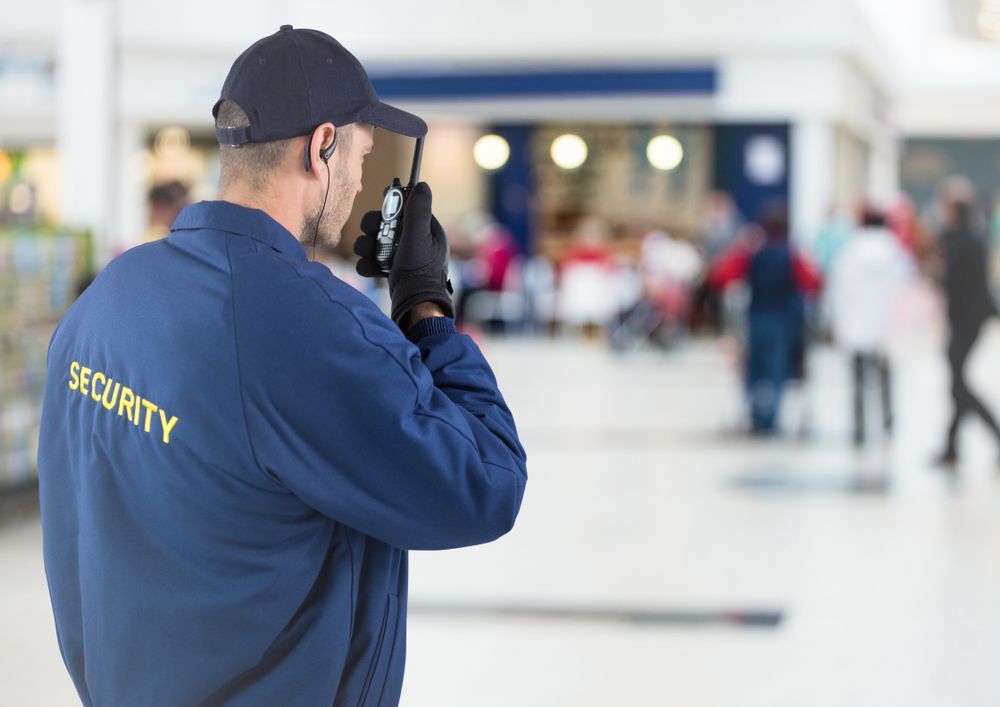
How Retail Security Addresses Store Loss Patterns
Guards observe customer behavior for indicators that experienced security professionals recognize: individuals lingering near high-value items without examining merchandise, groups that separate to occupy staff attention in different areas, or people carrying large bags into fitting rooms with multiple garments. Entrance monitoring tracks who enters during peak periods and notes individuals who circle through the store multiple times without purchasing. Incident response involves approaching suspected shoplifters before they exit, detaining individuals when store policy and local law permit, and coordinating with law enforcement when theft amounts meet criminal thresholds.
Store managers notice reduced inventory shrinkage, fewer confrontational theft attempts during business hours, and improved employee confidence when working closing shifts. Retail staff focus on customer service rather than constant theft monitoring, knowing that trained security professionals handle loss prevention. The guard's visible presence at entrances discourages opportunistic theft before individuals enter fitting rooms or concealment attempts occur, which reduces both actual losses and time spent processing theft incidents.
Coverage options include full-time positioning at main entrances, roving patrol between multiple storefronts in a shopping center, or specific-hour staffing during peak shopping periods when theft attempts increase. Guards document incidents with written reports that include suspect descriptions, merchandise involved, and actions taken, creating records that support prosecution and reveal theft patterns that inform prevention strategies.
Answers to Frequent Service Questions
Retailers throughout Woodbridge balance customer experience with loss prevention needs. These questions address common concerns about security staffing in retail environments.
What training prepares guards for retail-specific security concerns?
Guards receive instruction in recognizing shoplifting behavior patterns, de-escalation techniques that avoid creating store disturbances, legal boundaries for detention and search, and customer service skills that maintain welcoming store atmosphere while providing security oversight.
How do guards handle suspected theft without disrupting other customers?
The guard observes until the individual passes the final point of sale without paying, then approaches near the exit to request a receipt check or ask the person to return inside, using calm verbal communication that avoids physical confrontation unless the suspect attempts to flee or becomes aggressive.
What coverage makes sense for smaller storefronts versus large retail centers?
Individual stores often use guards during peak hours or closing shifts when staff are most vulnerable, while shopping centers may position guards at main entrances with roving responsibilities for multiple tenants, adjusting based on which stores experience higher theft rates or seasonal inventory risks.
How does security coordinate with store management during incidents?
Guards follow store-specific protocols for when to detain suspects, when to contact police, and what merchandise value thresholds require law enforcement response, maintaining radio or phone contact with managers who make final decisions about prosecution and trespass enforcement.
When do retailers typically increase security staffing?
Stores add coverage during holiday shopping periods when crowds provide concealment opportunities, after experiencing theft pattern increases in specific departments, or when opening new high-value merchandise lines that attract organized retail crime groups targeting electronics, cosmetics, or apparel.
KGC Security Guard develops security staffing plans that address specific retail loss patterns and customer flow. Contact us to discuss entrance monitoring and loss prevention support for your retail location.
request a free quote
Contact Us
We will get back to you as soon as possible.
Please try again later.